
Introduction to Credit Cards in India
The landscape of credit cards in India in 2026 reflects a significant evolution from its earlier days when plastic money was a novelty. Over the years, the acceptance and usage of credit cards have experienced exponential growth, transitioning from a luxury afforded by a few to a necessity for many. This transformation has been propelled by a growing middle class, increasing awareness of financial products, and technological advancements that have made credit card services more accessible and efficient.
Currently, credit cards play a vital role in the daily financial transactions of millions of Indians. Consumers now rely on them for everything from shopping and dining to bill payments and travel bookings. The convenience offered by credit cards, such as deferred payments and rewards programs, has contributed to their widespread adoption. Additionally, partnerships between banks and merchants have expanded the acceptance of credit cards, allowing users to benefit from promotions, cashback incentives, and discounts across various sectors.
In 2026, the Indian credit card market has also demonstrated enhanced adaptability to meet evolving consumer needs. The integration of advanced technologies, such as artificial intelligence and machine learning, has streamlined fraud detection and risk assessment processes, ensuring that consumers and banks are better protected. Moreover, digital wallets and contactless payment options have emerged as complementary tools to traditional credit cards, further improving the customer experience.
Overall, the credit card market in India has matured significantly, reflecting the preferences of an increasingly tech-savvy population. Financial institutions are continuously evolving their offerings to cater to diverse consumer demographics, leading to a robust ecosystem that provides valuable services while adapting to the changing economic landscape of the country.
Factors to Consider When Choosing a Credit Card
Choosing the right credit card is crucial for managing finances effectively. Several factors must be evaluated to ensure that the selected card aligns with an individual’s spending habits and financial goals. One of the first considerations is the interest rate, referred to as the Annual Percentage Rate (APR). A lower APR can significantly reduce the cost of borrowing, especially if there is a balance carried month-to-month. Conversely, a higher rate can lead to substantial interest accumulation, making it vital to understand the card’s cost implications.
Another important factor is the annual fee. Some credit cards come with no annual fee, while others may charge a premium. It is essential to weigh the benefits provided by cards that do have annual fees against their costs. In some cases, the rewards and perks offered may justify the expense, but this evaluation needs to be based on expected usage and benefits.
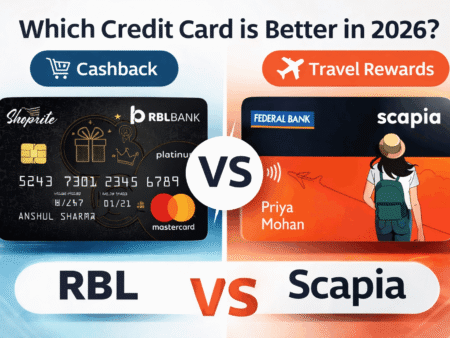
Rewards programs are also a determining factor. Many cards offer points, miles, or cash back for every purchase made. Consumers should examine the structure of these rewards to ascertain which card will provide the most benefit based on their spending habits. Frequent travelers might prioritize travel rewards, while everyday shoppers may find cash back offers more appealing.
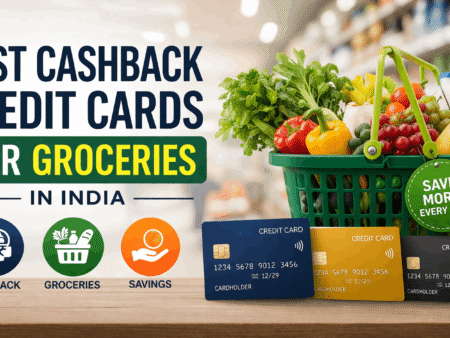
Additionally, cashback offers should be taken into account. Some cards provide higher cashback rates in specific categories, such as groceries or dining. Understanding these categories can lead consumers to maximize their rewards. Lastly, consider the additional benefits such as shopping protection, travel insurance, and promotions, which may enhance the overall value of a credit card.
Ultimately, each of these factors plays a vital role in making an informed decision regarding credit card selection, reflecting both personal financial habits and potential benefits.
Top Credit Card Providers in India for 2026
In the dynamic landscape of financial services, several credit card providers in India have established themselves as leaders in 2026. These companies not only command significant market shares but also maintain a strong reputation for customer service and unique offerings tailored to meet diverse consumer needs. Key players include HDFC Bank, ICICI Bank, State Bank of India (SBI), and Citibank.
HDFC Bank remains one of the top credit card issuers in India, appreciated for its extensive product range that caters to various demographic segments. With a significant market share, HDFC Bank offers rewards, travel, and cashback cards, ensuring customer satisfaction through competitive interest rates and attractive rewards programs. However, the high annual fees associated with some of its premium cards can be seen as a disadvantage for cost-sensitive consumers.
ICICI Bank follows closely, offering a range of credit cards equipped with robust features aimed at financial flexibility. Their unique offerings, such as instant card issuance and no-cost EMI options, have garnered a loyal customer base. The downside, however, may include stringent credit scoring requirements that could exclude potential applicants with limited credit history.
AB has carved a niche with its rewards and lifestyle-oriented credit cards. Featuring partnerships with numerous brands, the bank provides benefits that enhance the customer experience. The primary weakness of AB is, however, a comparatively lower acceptance rate for its cards in certain regions.
State Bank of India (SBI) stands out with its online account integration and lower eligibility criteria, making it accessible for many customers. Its no-annual-fee offerings attract first-time cardholders, though the rewards program may not compete as aggressively as those of private sector banks.
Lastly, Citibank has a reputation for excellent customer service and offers travel-centric credit cards that appeal to frequent flyers. Despite its high-profile reputation, Citibank’s limited branch network may pose challenges for some customers looking for in-person assistance.
In conclusion, understanding the strengths and weaknesses of these top credit card providers in India is essential for selecting a card that aligns with individual financial needs and lifestyle choices. Each provider brings unique offerings to the table, making it crucial for consumers to analyze what best fits their specific requirements in 2026.
Best Credit Cards of 2026: A Detailed Comparison
As the landscape of credit card offerings evolves, it becomes crucial for consumers to assess various features to choose the best credit cards available in India for 2026. Below is a comparative analysis that highlights essential aspects such as rewards programs, perks, annual fees, and notable limitations of top credit cards, enabling readers to make informed decisions suited to their spending habits and financial goals.
| Credit Card Name | Rewards Rate | Annual Fee | Major Perks | Limitations |
|---|---|---|---|---|
| HDFC Regalia Credit Card | 3% on travel, 2% on dining | Rs. 2,500 | Airport lounge access, complimentary health insurance | High annual fee, requires good credit score |
| ICICI Instant Platinum Credit Card | 2% cashback on online shopping | Rs. 500 | Discounts at partner stores, instant approval | Lower reward point accumulation |
| AB Neo Credit Card | 5% cashback on bill payments, 2% on all other spends | Rs. 750 | Flexible EMI options, no foreign transaction fee | Limited acceptance in smaller outlets |
| SBI Card Elite | 5% on dining, 1% on all other spends | Rs. 4,999 | Welcome gift vouchers, milestone rewards | High annual fee, complex rewards structure |
This table serves as a foundational guide to help potential cardholders evaluate their options effectively. Each credit card holds unique attributes tailored to varying categories of users, whether they seek travel rewards, cashback, or specific retail benefits. It is prudent to consider individual financial behavior and preferences when selecting the optimal credit card for 2026.
Understanding Credit Scores and Their Importance
Credit scores serve as a vital measure of an individual’s financial credibility, most notably in the context of applying for and using credit cards. In essence, a credit score is a numerical representation of a consumer’s creditworthiness, derived from their credit history and behavior. Typically ranging from 300 to 850, higher scores signify better credit health, thereby increasing the chances of approval for loans and credit cards.
Credit scores are calculated based on several critical factors. The most significant among these is payment history, accounting for approximately 35% of the total score. Timely payments contribute positively, while late payments can severely impact it. This is followed by credit utilization, which represents about 30% of the score. Ideally, maintaining a low balance relative to credit limits is advisable, as high utilization can indicate potential financial distress. Other factors include the length of credit history (15%), types of credit used (10%), and recent inquiries into one’s credit (10%). Each of these elements combines to construct an individual’s credit profile.
Maintaining a good credit score is crucial for consumers who utilize credit cards. A favorable score not only enhances the likelihood of obtaining a credit card but can also lead to lower interest rates and better terms, such as higher credit limits and rewards programs. Conversely, a poor score may result in credit application denials or subpar offers. Consumers should thus monitor their credit scores regularly, address any discrepancies promptly, and cultivate responsible credit habits, such as making timely payments and keeping credit balances low. Understanding these fundamentals can significantly influence one’s financial opportunities and overall economic health.
Emerging Trends in Credit Card Technology
The landscape of credit card technology is continually evolving, driven by advancements that enhance user experience and security. One of the most significant trends in recent years is the rise of contactless payments. This innovative payment method allows consumers to complete transactions by simply tapping their card on a compatible terminal, streamlining the checkout process. As more businesses adopt this technology, the demand for contactless credit cards has surged, reflecting a shift towards convenience in everyday transactions.
Another critical advancement shaping the credit card sector is the integration of mobile wallets. With the increasing reliance on smartphones for various tasks, mobile wallet applications have become a primary platform for managing finances. These digital wallets allow users to store multiple credit cards securely and make purchases through their mobile devices. This trend not only provides added convenience but also enhances security, as mobile payments often include advanced encryption and tokenization methods that protect sensitive information.
Artificial intelligence (AI) is also making significant inroads into credit card technology, particularly in customer service. AI-driven chatbots and virtual assistants are transforming the way customers interact with their credit card providers. These intelligent systems can handle a variety of inquiries, from checking account statuses to troubleshooting payment issues, all in real-time. This development has made the credit card service experience more efficient, catering to the needs of modern consumers who expect quick and accurate responses.
As technology continues to advance, credit card providers are increasingly focusing on implementing these features to cater to evolving consumer preferences. The integration of contactless payments, mobile wallets, and AI-driven customer service reflects a broader trend toward enhancing the overall user experience, improving security, and streamlining financial transactions. These innovations are pivotal in shaping how individuals manage their credit cards and make purchases in an increasingly digital environment.
Tips for Maximizing Credit Card Rewards and Benefits
Maximizing the rewards and benefits associated with credit cards requires a strategic approach to spending and managing repayments. By understanding the intricacies of various credit card reward programs, cardholders can enhance their benefits significantly. One key tactic is to align purchases with the bonus categories offered by credit card providers. Many credit cards feature rotating bonus rewards in categories such as travel, dining, or groceries. Therefore, identifying which categories provide increased cash back or points can be extremely beneficial in earning maximum rewards.
Additionally, establishing a budget and adhering to it can assist in maintaining a healthy credit utilization ratio. A good rule of thumb is to use no more than 30% of the available credit limit on any card, which not only helps in accruing rewards but also boosts credit scores. Cardholders should pay attention to their payment history, as late payments can lead to penalties and loss of rewards. Setting up automatic payments or reminders can ensure timely repayments, thus maintaining eligibility for certain rewards.
It is also advantageous to regularly review the reward program details and cardholder agreements. Many credit cards have expiration dates on points or cash back, and staying informed about program changes enables users to maximize their rewards before they lose value. Furthermore, engaging with any additional benefits, such as referral bonuses, welcome offers, and exclusive partner deals, contributes to improving the overall rewards earned. Ultimately, consistently leveraging these strategies will lead to a more rewarding credit card experience, allowing users to reap the full advantages that their card provides.
Common Mistakes to Avoid with Credit Cards
Credit cards can provide great benefits, but they come with pitfalls that can undermine their advantages. One of the most prevalent mistakes consumers make is overspending. The convenience of a credit card can lead to a false sense of security, prompting users to purchase items they cannot afford. It is essential to establish a budget and stick to it, ensuring that credit card use does not exceed one’s financial capacity. Regular monitoring of spending habits is crucial to maintaining financial discipline.
Another common error is missing payments. Credit cards often come with stringent due dates, and failing to make payments on time can result in hefty late fees and damage to one’s credit score. Consumers should set up reminders or automate payments to avoid this mistake. Additionally, being mindful of the minimum payment requirements is vital; paying only the minimum can lead to significant interest charges over time, causing debt to accumulate more rapidly.
A common misunderstanding involves credit card fees. Many consumers fail to read the fine print, resulting in unexpected annual fees, foreign transaction fees, or cash advance fees. It is advisable to thoroughly review the terms and conditions associated with a credit card before application to avoid unpleasant surprises later. Understanding how interest accrues on outstanding balances can also empower users to make informed choices regarding their credit utilization.
Furthermore, neglecting to utilize rewards programs effectively can also be detrimental. Some users might not be aware of how to maximize the benefits their credit cards offer, such as cashback or points. Keeping organized records of purchases can help in strategizing how to leverage rewards optimally. By being aware of these common pitfalls, individuals can improve their credit card management skills and foster better financial health.
Conclusion: Choosing the Right Credit Card for Your Needs
In today’s financial landscape, selecting the most suitable credit card is a significant decision that can profoundly impact your financial health and lifestyle. As we explored through this comprehensive guide on the best credit cards in India for 2026, a multitude of options cater to various personal requirements, making it essential to carefully evaluate your priorities before making a choice. When selecting a credit card, consider factors such as annual fees, reward points, cashback offers, and interest rates. Each of these elements plays a crucial role in determining which card best aligns with your spending habits and financial goals.
Additionally, understanding your spending patterns will aid in selecting a card that maximizes benefits while minimizing costs. For instance, frequent travelers may benefit from credit cards that offer travel rewards or airline miles, whereas individuals who prefer day-to-day expenditure might find cashback cards more suited to their needs. Furthermore, it is also essential to keep in mind any promotional offers and welcome bonuses that many credit cards provide, which can add significant value to your choice.
By taking the time to analyze these aspects of your credit card options, you will be better equipped to make informed decisions about credit card utilization. Proactive management of your credit card can lead to improved credit scores, reduced debt, and even enhanced purchasing power in the long run. Overall, the importance of aligning a credit card with one’s financial objectives and lifestyle cannot be overstated. By implementing a thorough approach to credit card selection, you can harness the full potential of your financial tools, ultimately leading to healthier and more beneficial financial outcomes.