
Understanding Credit Cards
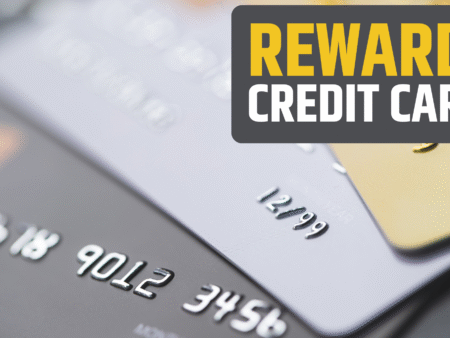
Credit cards are financial tools that allow individuals to borrow money from a bank or financial institution, enabling them to make purchases and pay off the borrowed amount later. Unlike debit cards, which draw directly from a bank account, credit cards provide a revolving line of credit. This means users can spend up to a predetermined limit and carry a balance from one month to the next, although interest may accrue on any unpaid amounts.
The concept of credit plays a crucial role in how credit cards function. Credit refers to the ability to borrow money based on trust that the borrower will repay it. Credit cards are an essential element in establishing and building a credit history, which is vital for achieving financial goals, such as securing loans for a home or car. A responsible credit card user can improve their credit score over time by making timely payments and managing balances effectively.
Key terms associated with credit cards include credit limit, interest rate (APR), minimum payment and grace period. The credit limit is the maximum amount a cardholder can charge on their card. The annual percentage rate (APR) is the interest charged on the unpaid balance; lower rates are generally more favorable for consumers. The minimum payment is the lowest amount a cardholder must pay to avoid penalties, while the grace period is the time allowed to pay the balance in full without incurring interest charges.
For beginners, understanding the significance of responsible credit card usage is essential. It is advisable to pay off the full balance each month to avoid interest charges and to refrain from spending beyond one’s means. Establishing good habits early on will facilitate better financial health and enhance creditworthiness, thus paving the way for more favorable terms on future credit applications.
Benefits of Using Credit Cards for Beginners
For many beginners, navigating the financial landscape can be overwhelming. One option that often presents itself is the use of credit cards, which offer a variety of benefits tailored to new users. One of the most appealing advantages is the opportunity to earn rewards through rewards programs. Many credit cards offer points, miles or cashback for every dollar spent, allowing users to accumulate benefits that can be redeemed for travel, merchandise or even discounts on future purchases. This unique feature makes credit cards an attractive choice for those looking to maximize their spending.
In addition to rewards programs, credit cards frequently provide enticing cashback offers. These incentives reward customers with a percentage of their spending returned to them, effectively making purchases more cost-effective. For beginners who are still getting a handle on their budgeting and financial habits, the promise of cashback can encourage responsible spending while also providing some financial breathing room.
Another vital benefit of credit cards is their role in building credit history. A solid credit score is essential for future financial endeavors, such as obtaining loans or mortgages. By utilizing a credit card responsibly—making timely payments and keeping utilization low—users can enhance their credit profile, paving the way for better interest rates and financial opportunities down the line.
Moreover, credit cards offer a level of convenience that debit cards might not match. The ease of electronic payments allows users to make purchases quickly, both online and in-store, without the need for carrying cash. This is particularly advantageous for individuals who prefer digital transactions, as many credit cards also incorporate additional security features to help protect against fraud.
In summary, credit cards offer a wealth of benefits for beginners, including rewards programs, cashback opportunities, credit building advantages and payment convenience. These features can significantly enhance a user’s financial landscape when used responsibly.
Types of Credit Cards for Beginners
When venturing into the world of credit, beginners have several types of credit cards to consider, each designed to cater to different financial needs and circumstances. Understanding these options is crucial for making an informed decision.
One popular option is the secured credit card. This type of card requires an upfront cash deposit that serves as collateral and typically determines your credit limit. Secured credit cards are ideal for individuals looking to build or improve their credit history, as they are more accessible for those with little to no credit. Regular payments made on these cards are reported to credit bureaus, assisting in credit score improvement over time.
Student credit cards present another viable option for young adults or students. Tailored specifically for individuals pursuing higher education, these cards often come with lower fees and credit limits. They are designed to instill responsible credit use among students, helping them establish a credit history as they begin to manage their finances independently. Many student cards also offer rewards and benefits that cater to a student lifestyle, such as cash back on dining or purchases related to education.
Unsecured credit cards are a feasible option for beginners with a credit history or a stable income. Unlike secured cards, they do not require an initial deposit. They often come with higher credit limits and a variety of features, such as rewards programs and introductory offers. However, it is crucial to approach these cards with caution, as mismanagement can lead to debt accumulation and affect one’s credit score.
Overall, the choice of credit card for beginners depends on individual financial situations and future goals. Evaluating each type of card’s features will aid in selecting the most suitable option for responsible credit management.
How to Choose the Right Credit Card
Selecting the right credit card can be a crucial step for beginners aiming to establish their financial presence. Knowing what to look for is key to making an informed decision. Start by evaluating your personal financial habits and requirements, which will help narrow down your options. One of the most important factors to consider is the interest rate, commonly expressed as the Annual Percentage Rate (APR). A lower APR is generally advantageous, particularly if you anticipate carrying a balance month to month, as it directly influences the total interest payable.
Next, examine the fees associated with various credit cards. Standard fees may include annual fees, foreign transaction fees and late payment fees. While certain rewards cards might come with higher annual fees, they could offer benefits that might outweigh the costs for frequent travelers or buyers. Thus, assessing whether these fees apply to your usage patterns is essential.
Additionally, explore the rewards programs offered by different credit cards. These can range from cash back incentives to travel miles and selecting a card that aligns with your spending habits could yield substantial benefits over time. If you frequently shop at specific retailers or travel often, focus on rewards that enhance these experiences.
Furthermore, understanding credit limits is vital. Ensure that the card you choose provides a credit limit that meets your needs without pushing you into over-borrowing territory. Lastly, it is prudent to compare various credit card offers before making a decision. Use online comparison tools to juxtapose interest rates, fees and rewards side by side, facilitating a clearer overview of what each card provides.
In conclusion, careful consideration of interest rates, fees, rewards programs and credit limits will ensure that you select a credit card that best suits your financial needs and lifestyle.
Common Mistakes to Avoid with Credit Cards
When entering the world of credit cards, beginners often encounter several common pitfalls that can lead to financial difficulties. One major mistake is overspending, which occurs when individuals view their credit limit as free money instead of a loan that needs to be repaid. To avoid this, it is essential to establish a budget and stick to it, ensuring that purchases made on credit do not exceed what can be comfortably paid off at the end of the billing cycle.
Another frequent issue is missing payments. Late payments can incur hefty fees and damage one’s credit score, leading to even higher interest rates in the future. Setting up automatic payments or reminders can be an effective strategy to ensure that due dates are not overlooked. Additionally, understanding the payment schedule and terms of the credit card agreement can help in planning out finances accordingly.
Accruing debt is a significant concern for many beginners as well. It is vital to recognize that carrying a balance from month to month can lead to accumulating interest charges, ultimately resulting in a larger debt burden. To combat this issue, individuals should aim to pay off their credit card balance in full each month. If this is not possible, making at least the minimum payment helps maintain a positive payment history and can prevent accounts from becoming delinquent.
Furthermore, applying for multiple credit cards at once can be detrimental. Each application triggers a hard inquiry on a credit report, which can temporarily lower the credit score. Instead, prospective users should do thorough research and select one or two cards that best fit their spending habits and financial goals.
Awareness of these common mistakes is crucial for maintaining a healthy relationship with credit cards. By prioritizing responsible spending, timely payments and careful management of debt, beginners can leverage credit cards as beneficial financial tools rather than sources of stress.
Building Credit with a Credit Card
For individuals new to credit cards, understanding how to leverage them for building credit is crucial. One of the primary advantages of using a credit card is its potential impact on your credit score, which plays a significant role in your overall financial health. However, this benefit is only realized through responsible credit card usage and management.
The foundation of building credit through a credit card lies in making timely payments. Payment history is one of the most critical factors influencing your credit score. Missing payments or making late payments can negatively affect your score significantly. Therefore, it is essential to pay at least the minimum due amount on time each month. Setting up automatic payments or reminders can help ensure that you do not overlook due dates.
Another key strategy in building credit is maintaining a low credit utilization ratio. This ratio is calculated by dividing the total credit card balances by the total credit limits. To establish positive credit, it is generally advisable to keep your credit utilization below 30%. This demonstrates to lenders that you can manage credit responsibly and are not over-reliant on borrowed funds. If your balance approaches the credit limit, it can indicate to creditors that you may be a higher risk, potentially harming your credit score.
In addition to timely payments and low utilization, regularly monitoring your credit report can also aid in building credit. An accurate review allows you to identify any discrepancies or fraudulent activities that may negatively impact your creditworthiness. By understanding your credit profile, you can make informed decisions that contribute to improving your score over time.
Ultimately, responsible credit card management fosters financial habits that lead to a solid credit history. As a beginner, actively applying these strategies will prove beneficial for long-term credit success.
Managing Your Credit Card Responsibly
Using a credit card responsibly can significantly benefit an individual’s financial health. To begin with, creating a budget is essential when managing credit card expenses. By outlining monthly income and expenses, one can ensure that credit card usage aligns with overall financial goals. Include anticipated credit card charges in your budget to avoid overspending. This practice aids in tracking how much is charged each month and can reveal spending patterns that may need adjustment.
Tracking expenses is another critical aspect of responsible credit card management. Many credit card companies offer mobile applications that allow users to monitor their spending in real-time. Utilizing these tools can help keep credit utilization low and ensure you remain within budgetary limits. It is beneficial to categorize expenses, which can offer insights into where adjustments may be necessary—for example, spending less in entertainment or dining categories.
Setting up reminders for payment due dates is crucial to avoid late fees and potential damage to your credit score. Most banks offer automatic bill pay features that can streamline this process and ensure timely payments. Alternatively, calendar reminders can be established to alert you a few days before the payment date, keeping you informed and on top of your financial obligations.
Regularly monitoring credit card statements is vital for identifying discrepancies or unauthorized charges. Take the time each month to go through statements, comparing charges with personal records. In addition, understanding the credit card billing cycle is important for managing payments effectively and planning for the timing of large purchases. By implementing these strategies, individuals can harness the benefits of credit cards while maintaining financial stability.
Top Credit Cards for Beginners
Choosing the right credit card is a crucial step for individuals just starting their journey into the world of credit. Here, we present a curated list of some of the best credit cards tailored to the needs of beginners, focusing on their features, benefits and feedback from users.
First on our list is the Capital One Platinum Credit Card. This card is ideal for those with no credit history, as it offers a chance to establish credit without an annual fee. With responsible usage, users can expect a potential credit limit increase after just six months. This feature encourages positive credit behavior, making it suitable for newcomers.
Next, we have the Discover it® Secured Credit Card. This card is particularly beneficial for beginners looking to build credit responsibly. It requires a security deposit, which acts as the credit limit. What sets this card apart is its cash-back rewards system, allowing users to earn 2% cash back on dining and gas up to a certain limit and 1% on all other purchases. Additionally, Discover reviews users’ accounts after eight months, potentially transitioning them to an unsecured card.
The Petal 2 “Cash Back, No Fees” Visa Credit Card is another excellent option for those new to credit. This card does not require an annual fee and offers 1% cash back on all purchases, increasing to 1.5% after making 12 on-time monthly payments. The Petal card emphasizes responsible credit usage and provides access to credit for those without a traditional credit history.
Lastly, the Chase Freedom Flex℠ card offers various rewards and is an excellent choice for beginners who want to earn points on their spending. This card doesn’t have an annual fee and provides a bonus for new cardholders who meet the spending threshold within the first few months.
Each of these options is designed to support individuals just starting their credit journey by providing accessible features and benefits. By considering user feedback and card specifics, beginners can make informed decisions about the right credit card for their needs.
Conclusion and Next Steps
In this article, we have explored the various facets of credit cards, emphasizing the importance of selecting the right one for your individual needs. As a beginner navigating the world of credit, it is essential to understand the fundamental features of credit cards. Key factors such as interest rates, fees, rewards programs and credit limits all play a significant role in your overall credit health. The right credit card can serve not only as a financial tool but also as a means to build and improve your credit score.
To embark on your credit journey, first assess your financial situation and credit needs. Conduct thorough research to find a credit card that aligns with your spending habits and lifestyle. Whether you prioritize cashback rewards, travel perks or low-interest rates, there is likely a credit card tailored to your preferences. Online comparison tools can help streamline this process, allowing you to make an informed decision based on card offerings and terms.
Once you have chosen a credit card, applying for it efficiently and responsibly is the next step. Ensure that you complete the application accurately and provide all necessary documentation. After approval, it is crucial to adopt good credit habits. Making timely payments and keeping your credit utilization ratio below 30% are vital steps in maintaining a high credit score. Additionally, review your credit card statements regularly to monitor for any discrepancies and track your spending.
By taking these steps seriously, you can set yourself on a path toward building a strong credit history. Remember that responsible credit management is an ongoing process. By staying informed and disciplined in your approach, you can maximize the benefits of your credit card while minimizing potential pitfalls. Start your credit journey today and open the door to a multitude of financial opportunities.